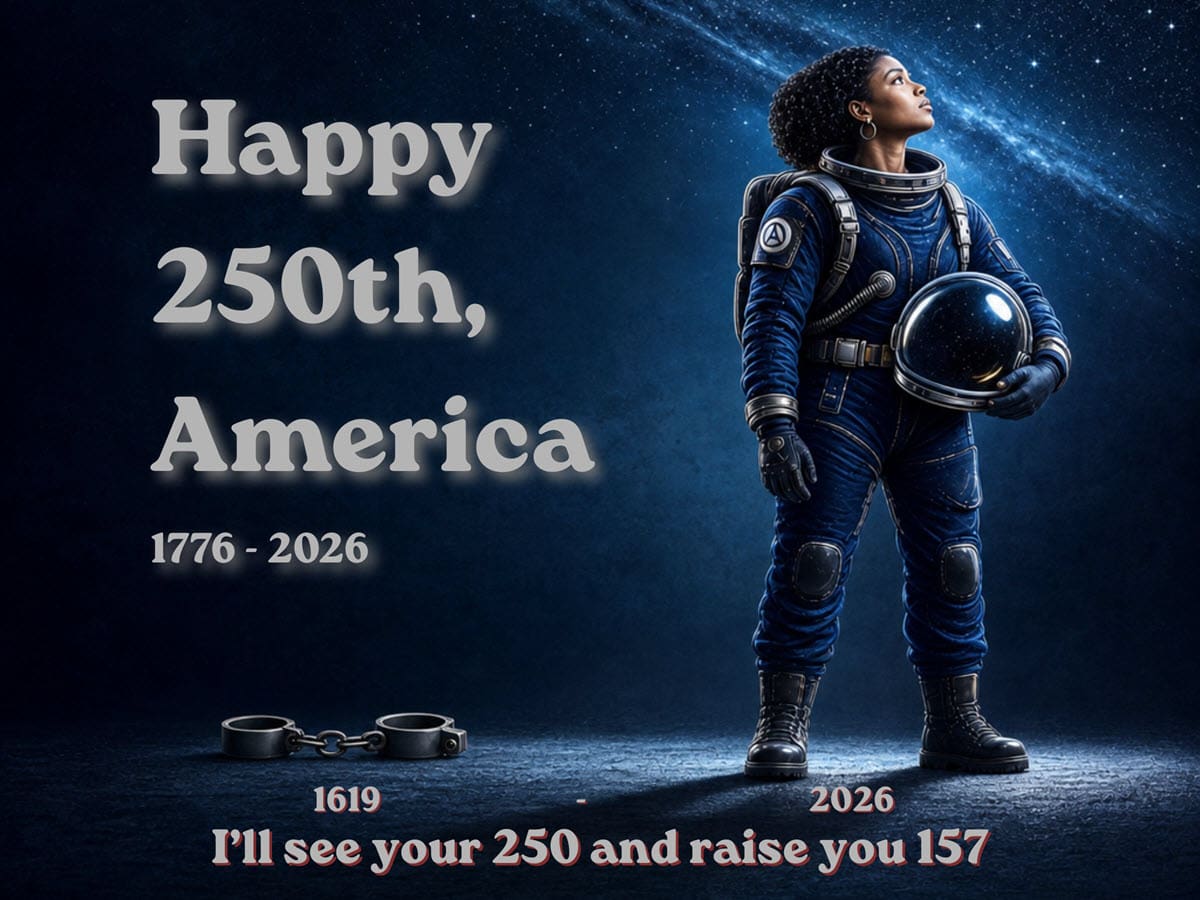
4th of July, 250th Birthday, and other thoughts
The Long Arc of Freedom
Every Fourth of July, America celebrates independence with fireworks, flags, and family gatherings. But in the South, we know freedom’s story stretches far beyond 1776. It’s a timeline written in smoke, sweat, and soul, stretching from 1619 to 2026.
1619: The Beginning of the American Paradox
In 1619, the first enslaved Africans arrived in Virginia. That moment marked both the birth of American labor and the contradiction at the heart of American liberty. While the Declaration of Independence would later proclaim that all men are created equal, the South’s fields told another story of endurance, creativity, and survival.
From those roots grew the culture that defines the South today: food seasoned with memory, music born from struggle, and faith that carried generations forward.
1865: Freedom Reaches the Fields
When emancipation finally came, it didn’t arrive evenly or easily. Freedom had to be claimed, protected, and lived. Juneteenth became the true Independence Day for millions whose liberty had been delayed. The South became the proving ground for what freedom could mean, and not just for a nation, but for a people rebuilding from ashes.
1900s–1960s: Culture as Resistance
From spirituals to soul food, from marches to music, Southern Black culture turned pain into power. Every cookout, every hymn, every laugh around the grill carried the rhythm of resilience. Independence became more than a date. It became a daily act.
2026: Freedom Still Cooking
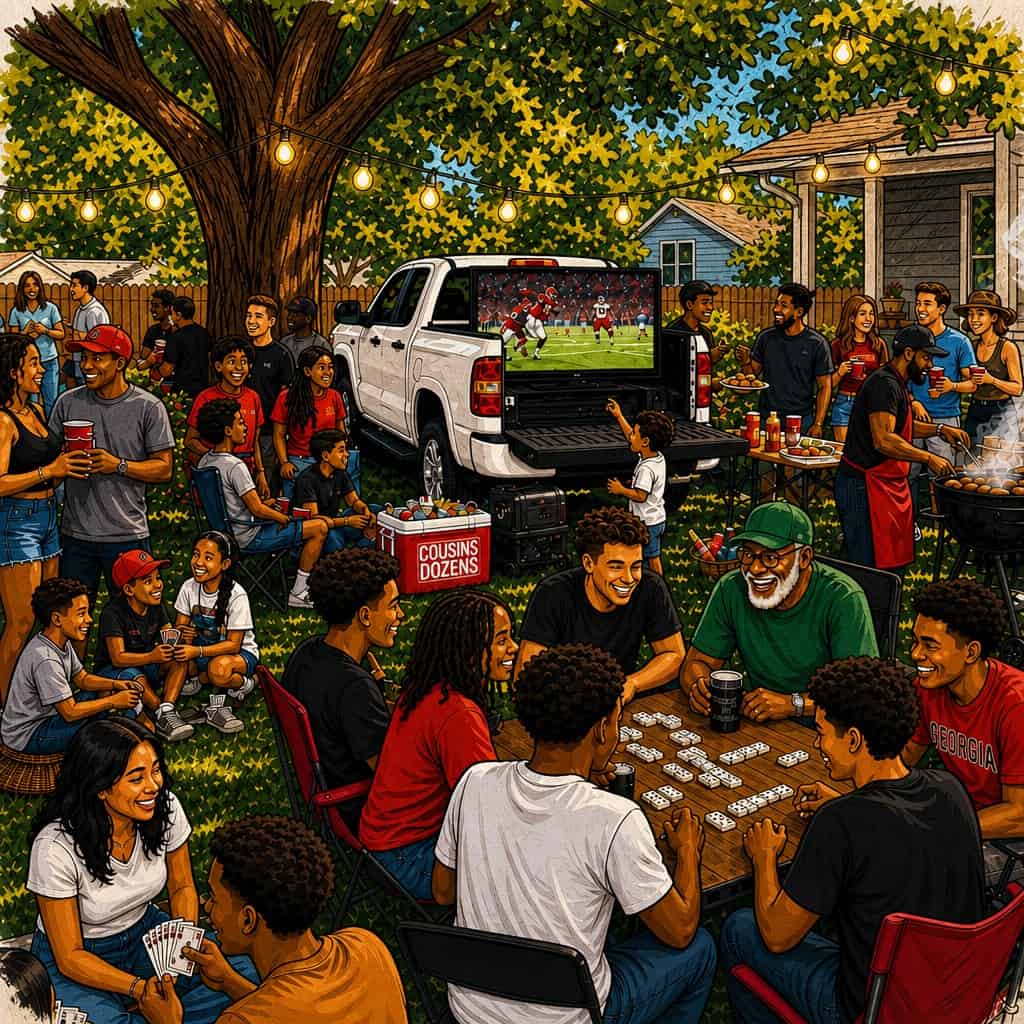
Now, in 2026, we celebrate independence with smoke rising from the grill, cousins laughing, and red juice sweating in the pitcher. We honor both the promise of 1776 and the perseverance of 1619. Because true independence isn’t just a declaration. It’s a continuation.
Every rib, every laugh, every spark in the sky says: we’re still here, still building, still free.
The Southern Definition of Independence
In the South, freedom tastes like barbecue and sounds like laughter. It’s found in the rhythm of a Sunday service, the hum of cicadas, and the glow of fireworks over Atlanta. It’s not just about what was written on paper. It’s about what’s lived in community.
From 1619 to 2026, Southern independence means claiming joy, culture, and connection as acts of liberation.
We saw our first black female astronaut this year, we’ve seen a black president and a black female vice-president. We’ve come a long way, but there is still more to do.
Freedom’s flavor lives in the South, seasoned by history, served with pride, and shared among cousins.